
laminated tempered glass
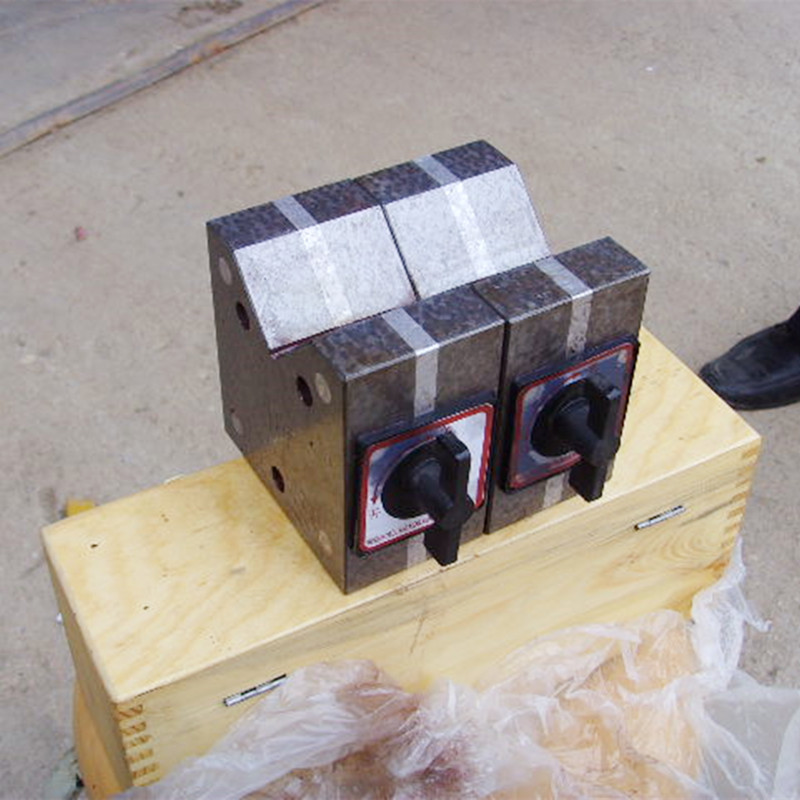
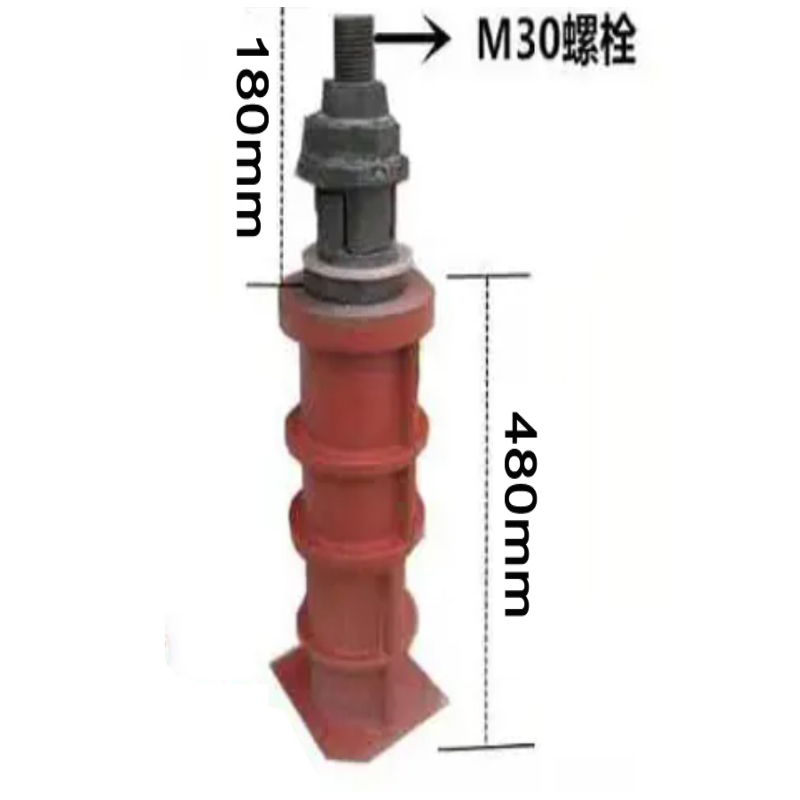
The Importance of Steady Pad Anti-Vibration Technology In an increasingly mechanized world, vibrations from machinery and equipment pose significant challenges across various industries. These vibrations can lead to equipment wear and tear, affect product quality, and create hazardous working environments. One of the effective solutions to mitigate these issues is the use of steady pad anti-vibration technology. Steady pads are specially designed components that reduce vibrations transmitted from machinery to their supporting structures. By absorbing and dampening these vibrations, steady pads play a crucial role in ensuring the longevity of equipment and improving operational efficiency. They are commonly used in manufacturing plants, construction sites, and even in residential applications where machinery operates frequently. The Importance of Steady Pad Anti-Vibration Technology One of the most significant benefits of using anti-vibration steady pads is the decrease in maintenance costs. Regular exposure to vibrations can lead to premature wear on machinery components, resulting in frequent repairs and downtime. By implementing steady pads, businesses can experience fewer breakdowns and extended operational periods for their equipment. This not only saves money but also enhances productivity, as machines are available for use more often. steady pad anti vibration In addition to maintenance savings, steady pads contribute to improved workplace safety. Excessive vibrations can create an unstable work environment, increasing the risk of accidents and injuries. By minimizing vibrations, steady pads help create a safer atmosphere for employees, which is particularly important in industries such as construction and manufacturing, where heavy machinery is prevalent. Furthermore, steady pads can also help enhance product quality. In processes sensitive to vibrations—like precision machining or assembly—consistent vibration levels are crucial for ensuring that products meet specified tolerances. By using anti-vibration technologies, manufacturers can maintain tighter control over these processes, leading to higher quality outputs and reduced waste. Moreover, as environmental concerns grow, steady pad anti-vibration systems can contribute to sustainability efforts. By prolonging the life of equipment and reducing energy consumption associated with repairs and replacements, these pads align with green initiatives within industries aiming to lessen their ecological footprint. In conclusion, steady pad anti-vibration technology plays a vital role in modern industrial operations. From reducing maintenance costs and enhancing safety to improving product quality and supporting sustainability, the advantages of these technologies are manifold. As industries continue to evolve and embrace new machinery, investing in effective anti-vibration solutions will be essential for maintaining operational efficiency and competitiveness in the market. Embracing this technology is not just a choice; it is a requisite for businesses aiming to thrive in today’s demanding environment.
about
laminated tempered glass
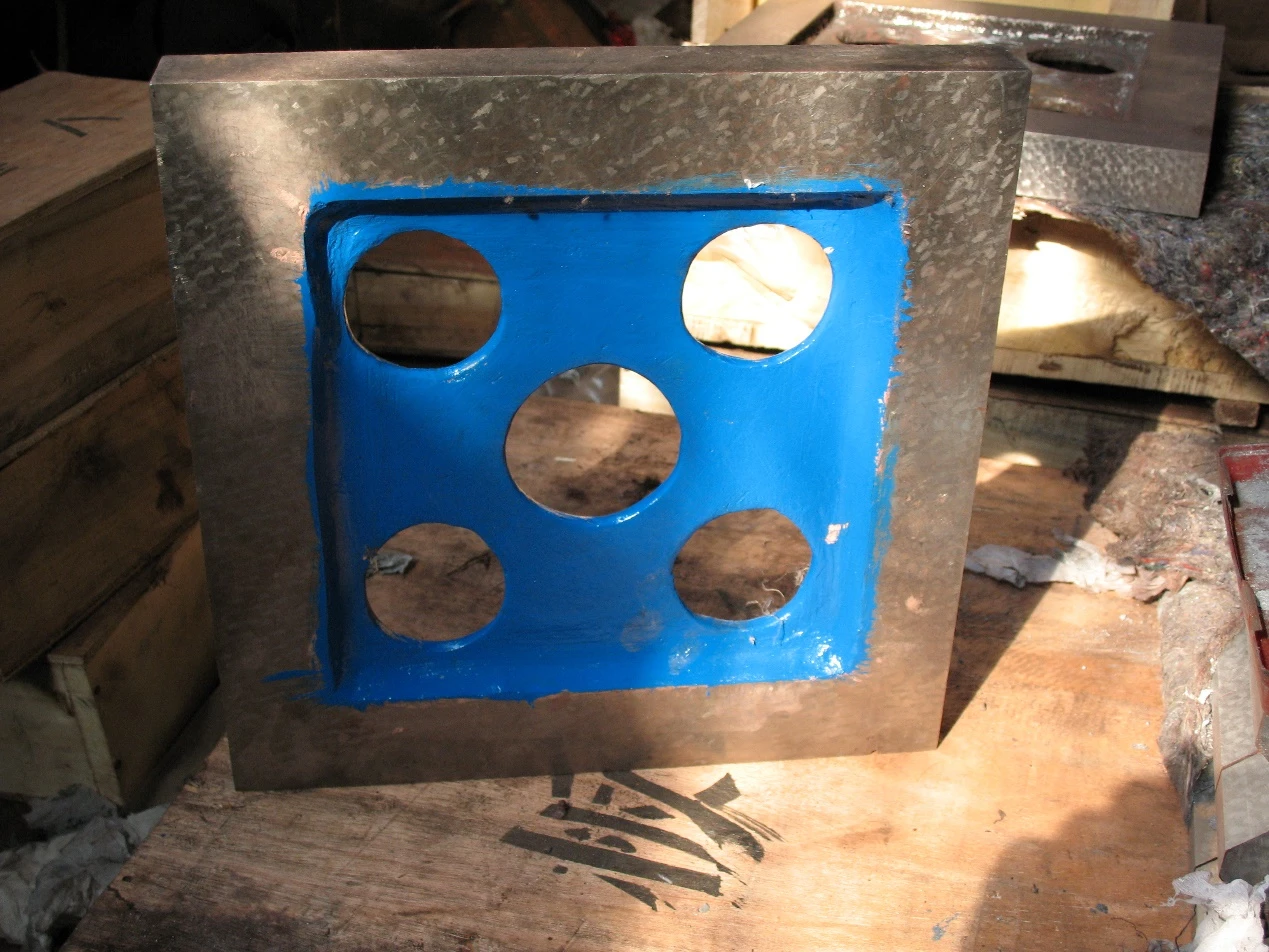
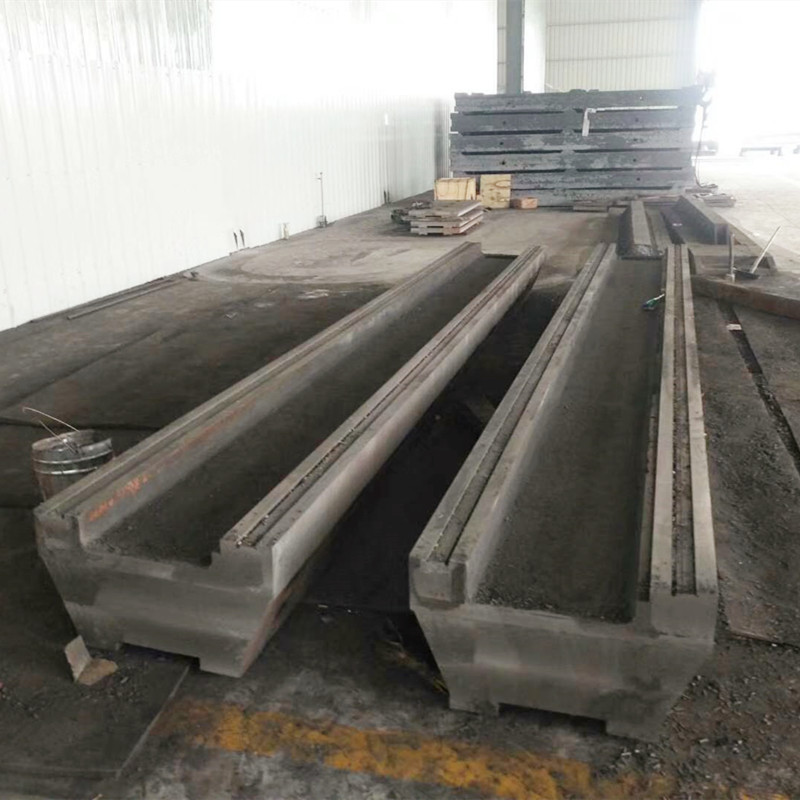
Understanding Precision Surface Plates A Key Tool in Metrology Precision surface plates are vital instruments in the field of metrology and manufacturing, providing a stable and accurate reference plane for various measuring and checking tasks. These plates are essential for a wide array of applications, including dimensional inspection, assembly work, and the calibration of measuring instruments. In this article, we will explore the importance, characteristics, and applications of precision surface plates, as well as best practices for their maintenance. The Importance of Precision Surface Plates Precision surface plates serve as a foundational tool for ensuring accuracy in measurements. Their primary purpose is to provide a consistent flat surface against which other objects can be measured or verified. This is crucial in industries such as aerospace, automotive, and electronics, where even the slightest measurement error can lead to significant issues in product quality, safety, and performance. When an object is placed on a precision surface plate, it can be measured using various techniques, such as calipers, micrometers, or coordinate measuring machines (CMMs). The flatness and stability of the surface plate allow for reliable measurements, helping to ensure that components fit together properly and function as intended. Characteristics of Precision Surface Plates Precision surface plates are typically made from materials like granite, cast iron, or steel. Each material has its advantages 1. Granite Known for its exceptional hardness and resistance to wear, granite is a popular choice for precision surface plates. It is also stable under varying temperature conditions, which is essential for maintaining accuracy over time. 2. Cast Iron Cast iron plates are durable and can offer good vibration damping properties. However, they may require more maintenance to prevent rust and wear compared to granite surfaces. 3. Steel Steel plates are often less expensive and can be very rigid. However, they are susceptible to corrosion and may not provide the same level of accuracy and longevity as granite or cast iron options. Common features of precision surface plates include - Flatness The surface must be within a specific tolerance to ensure accurate measurements. - Hardness The material must resist wear and deformation over time. - Size and Shape Plates come in various sizes, depending on the application, with most designed as rectangular or square shapes. Applications of Precision Surface Plates precision surface plate Precision surface plates are used in various applications across different industries 1. Inspection and Measurement They are used extensively in quality control to measure the flatness of workpieces and to perform precise dimensional checks. 2. Assembly and Layout In assembly tasks, surface plates provide a level reference for accurately aligning components before fastening or machining. 3. Calibration Surface plates are often used to calibrate measuring instruments, ensuring that they produce reliable and accurate readings. 4. Manufacturing In manufacturing settings, they serve as a base for CNC machines and other tools to ensure that parts are produced to the required specifications. Best Practices for Maintenance To ensure the longevity and accuracy of precision surface plates, proper maintenance is essential - Regular Cleaning Surface plates should be cleaned regularly to remove dust and debris. This prevents contamination that can affect measurement accuracy. - Periodic Calibration Regular calibration checks are necessary to ensure the surface plate maintains its specified flatness and does not degrade over time. - Avoiding Damage Care should be taken to avoid dropping heavy objects on the surface plate, as this can cause chips or dents that impact flatness. - Environmental Control It’s important to store surface plates in a controlled environment, away from extreme temperatures and humidity, to prevent material expansion or contraction. Conclusion Precision surface plates are indispensable tools in the realm of precision measurement and manufacturing. Their ability to provide a stable and flat reference surface is critical for achieving accuracy in various applications. By understanding their characteristics, applications, and maintenance requirements, industries can ensure they make the most of these essential measuring instruments, ultimately leading to improved product quality and operational efficiency. In a world where precision matters more than ever, the significance of precision surface plates cannot be overstated.
-

High quality industrial productsagement

High quality industrial products
View Details -

Meet the diverse needs of customers

Meet the diverse needs of customers
View Details -

Strict quality control

Strict quality control
View Details -

Top raw materials

Top raw materials
View Details -

Trusted supplier

Trusted supplier
View Details
Our application
news and information
Vertical Y Strainer for Efficient Fluid Filtration Solutions
Understanding Vertical Y Strainers A Key Component in Fluid Systems In various industrial and munici
Valvola a sfera bilanciata per un controllo ottimale del flusso nei sistemi idraulici
Valvole a Globo Bilanciate Funzionamento e Vantaggi Le valvole a globo bilanciate rappresentano un e
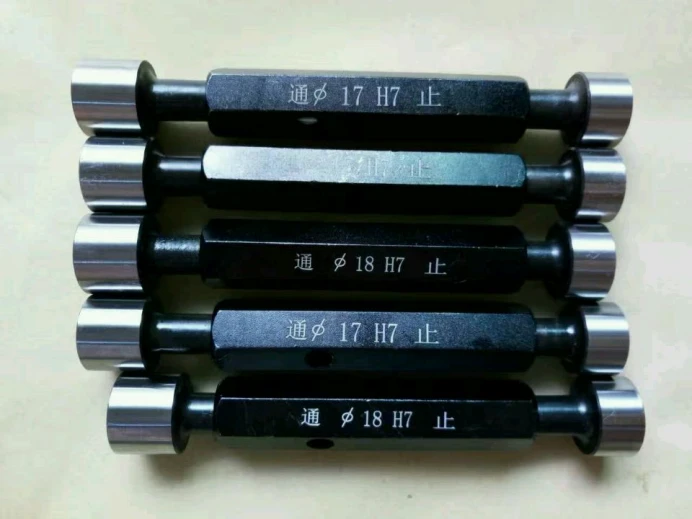
Using Pin Go-No Go Gauge for Precision Measurement in Manufacturing Applications
Understanding the Pin Go/No-Go Gauge A Key Tool in Quality Control In the realm of manufacturing and
 English